


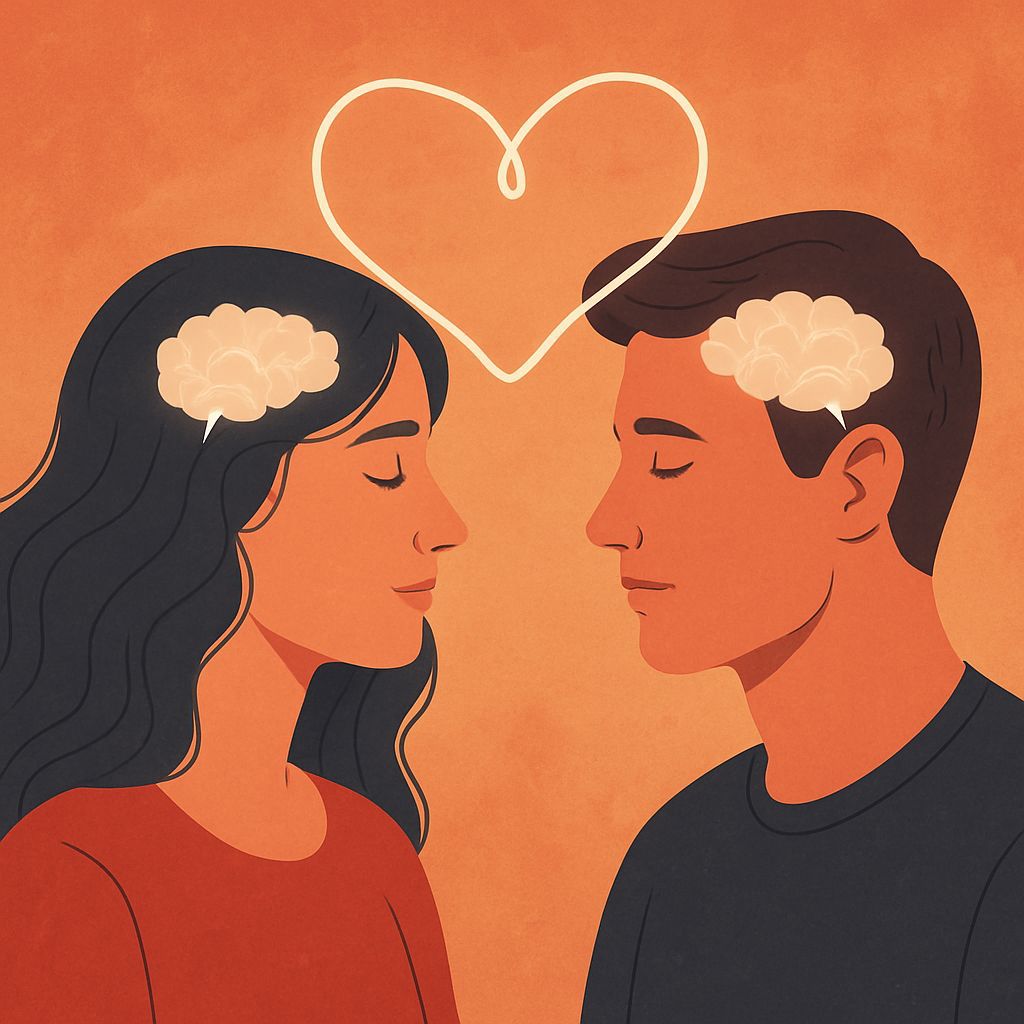
Generations and Technology University Dr. Shadi Araki Emotional Telepathy: Between Blessing and Curse – A Psychological Perspective Introduction In the field of psychology, particularly in social and neuropsychology, the profound connection between individuals that transcends words is a key area of study. What is often intuitively described as "emotional telepathy" is not magic, but a complex neuropsychological process rooted in biological and psychological foundations. This "emotional union" represents the peak of emotional intimacy, yet it carries significant risks to mental health when left unregulated. The Theoretical Framework of Emotional Telepathy in Psychology Definition and Scientific Concept From a scientific psychological standpoint,the term "telepathy" is not used due to a lack of empirical evidence. Instead, the phenomenon is described using terms like High-Accuracy Empathy, Emotional Synchrony, or Advanced Emotional Contagion. It refers to an individual's ability to accurately read and understand another person's emotional state based on subtle non-verbal cues (body language, tone of voice, facial expressions) and deep knowledge of their personality. Psychological and Neurobiological Foundations This phenomenon is based on several scientific pillars: 1. Mirror Neurons: These brain cells fire both when we perform an action and when we observe someone else performing the same action. They are believed to be fundamental in understanding and internally mimicking the intentions and feelings of others, creating a sense of shared experience. 2. Theory of Mind: This is the mental capacity to understand that others have feelings, thoughts, and beliefs different from our own, and to infer them. In deep relationships, this ability becomes highly accurate. 3. Emotional and Physiological Synchrony: Studies show that individuals in close relationships synchronize their physiological (heart rate, galvanic skin response) and emotional responses, even without verbal communication. Manifestations of Emotional Telepathy in Psychology · High Sensitivity to Non-Verbal Cues: Individuals in such relationships possess an heightened sensitivity to subtle changes in facial expressions, body posture, and tone of voice, allowing them to accurately "read" emotions. · Accurate Mental Model: As a result of long-term closeness, each partner builds a comprehensive "mental model" of the other – how they think, feel, and react in various situations – allowing them to predict their feelings and responses. · Rapid Emotional Contagion: Positive emotions (like joy) and negative ones (like sadness or anxiety) transfer quickly and easily between the two individuals, as if they were physically contagious. The Bright Side: The Blessing (Positive Aspects for Mental Health) 1. Enhanced Social Bonding: This type of connection strengthens social bonds and is a key protective factor against depression and anxiety. 2. Effective Emotional Support: The feeling of being "understood" without needing to explain reduces feelings of loneliness and increases the sense of belonging and acceptance, which are core psychological needs according to Self-Determination Theory. 3. Co-Regulation: Instead of self-regulating emotions, the partners can help each other manage difficult feelings. The presence of someone who "gets you" without words provides a safe environment for more effective emotional recovery. The Dark Side: The Curse (Psychological Risks and Problems) 1. Empathy Fatigue: When empathy is intense, constant, and without boundaries, it becomes a psychological burden. Psychologists warn that unregulated empathy can lead to the depletion of an individual's emotional resources, contributing to burnout and depression, especially in caregiving relationships. 2. Poor Psychological Boundaries: This is the greatest risk. When the line between the self and the other dissolves, the individual loses the ability to distinguish their own feelings from those of the other person. This state is associated with personality disorders (such as dependent or borderline traits) and leads to a loss of self, where one's own needs and desires are neglected for the sake of the other. 3. Contagious Anxiety and Stress: An individual can become an "emotional sponge," absorbing all the anxiety and tension from their partner, thereby multiplying their own psychological suffering and carrying burdens that are not their responsibility. Balance: Towards a Healthy "Telepathic" Relationship from a Therapeutic Perspective 1. Establishing Healthy Boundaries: Intimacy does not conflict with having boundaries. Healthy boundaries allow for connection while preserving the self. Psychotherapy, particularly Dialectical Behavior Therapy (DBT) and Person-Centered Therapy, teaches skills to build these boundaries. 2. Differentiation of Self: This is a central concept in psychology, meaning the ability to maintain a strong sense of self and autonomy while being in a close emotional relationship. A healthy relationship is a union of two complete individuals, not the dissolution of one into the other. 3. Balanced Empathy vs. Sympathy: Psychologists encourage practicing empathy, which involves understanding another's feelings without necessarily "carrying" them, as opposed to sympathy, which can lead to complete emotional immersion. 4. Self-Awareness and Reflection: Developing the skill of self-questioning: "Is this feeling mine, or did I pick it up from the other person?" is a crucial step in protecting one's mental health. Conclusion From a psychological perspective, what is called "emotional telepathy" is an expression of the deepest forms of human connection, built on studiable neuropsychological foundations. It is a blessing when it operates within a framework of healthy boundaries and self-awareness, serving as a powerful source of support and psychological resilience. However, it becomes a curse when it threatens the integrity of the self and drains psychological energy. The difference between blessing and curse lies not in the intensity of love, but in the strength of the self within that love. True psychological wisdom lies in learning the art of building emotional bridges with the other, while firmly laying the foundations of the self, ensuring that the connection is a source of strength, not destruction. Dr. Shadi Araki Generations and Technology University