

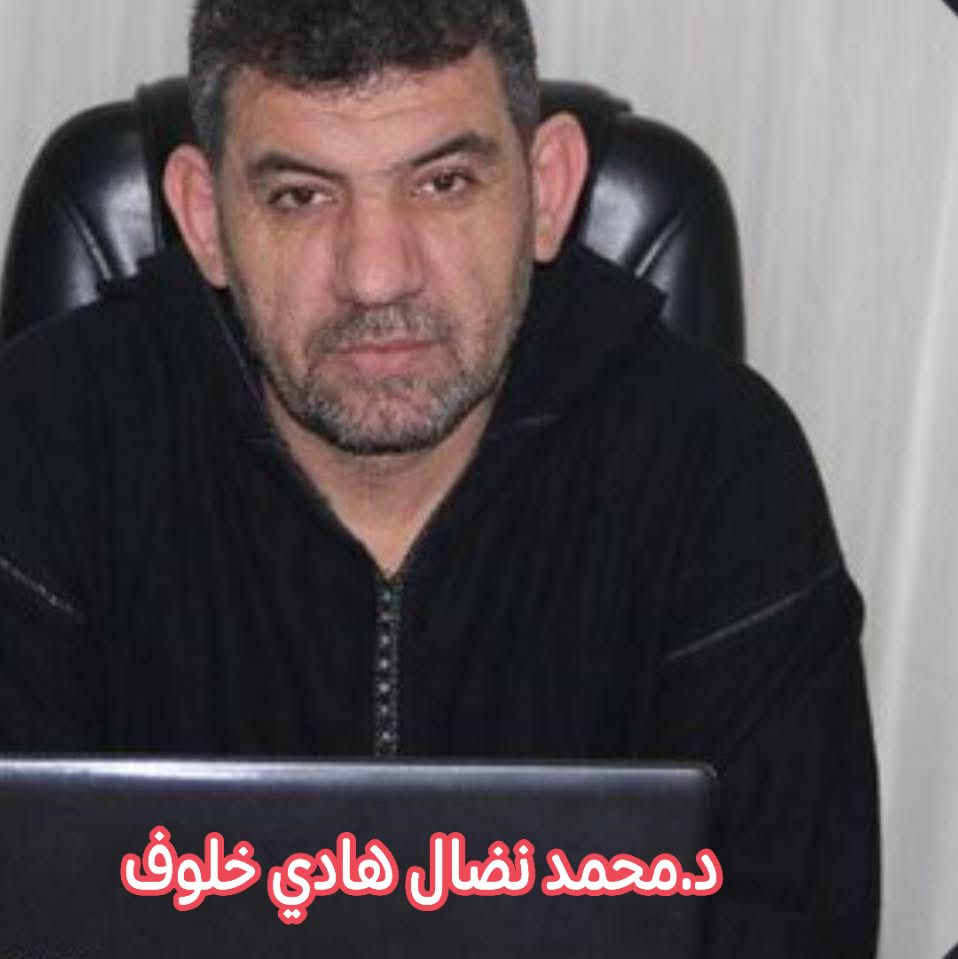
استهداف المساجد في السويداء: انتهاك صارخ للقانون الدولي الإنساني وحرمة المقدسات بقلم الدكتور محمد نضال خلوف Nedal Khalouf مقدمة في مشهد يتكرر للأسف على أرض الواقع السوري، تتوالى الاعتداءات على المرافق المدنية والمقدسات الدينية. فبعد حادثة تفجير الكنيسة في دمشق، وجريمة اقتحام وتخريب المشفى الوطني في السويداء، أظهرت الفيديوهات المسربة خلال الساعات الماضية مشاهد صادمة لتخريب واعتداء على مساجد في مدينة السويداء، في خرق واضح لحرمة أماكن العبادة ولقيم التعايش والسلم الأهلي، فضلًا عن انتهاك صريح لأحكام القانون الدولي الإنساني. أولًا: حماية أماكن العبادة في القانون الدولي ينص القانون الدولي الإنساني، وتحديدًا اتفاقيات جنيف الأربع (1949) وبروتوكولاها الإضافيان، على ضرورة احترام وحماية دور العبادة التي لا تُستخدم لأغراض عسكرية. كما تؤكد اتفاقية لاهاي لحماية الممتلكات الثقافية (1954) أن أماكن العبادة التي تمثل تراثًا روحيًا وثقافيًا لشعب ما، محمية بموجب القانون الدولي، وأي استهداف لها يعد جريمة حرب. وينص المادة 18 من البروتوكول الإضافي الثاني على وجوب توفير الحماية الكاملة للأعيان التي لها طابع ديني، ما لم تُستخدم بشكل مباشر في الأعمال القتالية، وهو ما لا ينطبق على المساجد المستهدفة. ثانيًا: ازدواجية الإدانة وخطورة الصمت الانتقائي في حين حظيت حوادث استهداف الكنائس، ومنها تفجير كنيسة دمشق، بإدانات محلية ودولية مستحقة، فإن الصمت تجاه استهداف المساجد في السويداء اليوم يُعدّ شكلاً من أشكال الازدواجية الأخلاقية. إن التمييز في التعاطي مع انتهاكات متماثلة بناءً على هوية الضحية أو مكان الجريمة، يُقوّض مصداقية المنظومة الحقوقية الدولية. من لا يدين جميع الجرائم دون استثناء، لا ينتمي إلى الإنسانية ولا إلى أي مرجعية دينية أو حقوقية. فالمبدأ الأساس في حقوق الإنسان والقانون الدولي هو عدم التمييز والمساواة أمام القانون، سواء أكانت الضحية كنيسة أم مسجدًا، مشفى أم مدرسة. ثالثًا: التزامات الدولة والجهات المحلية تقع مسؤولية أساسية على الدولة السورية والسلطات المحلية في السويداء لحماية أماكن العبادة. ويُعدّ تقاعسها في حماية المساجد – إن لم يكن تواطؤًا أو تساهلًا – إخلالًا بمبدأ الحماية الإيجابية المنصوص عليه في القانون الدولي لحقوق الإنسان، خصوصًا المادة 18 من العهد الدولي الخاص بالحقوق المدنية والسياسية. كما تُلزم القوانين الدولية السلطات المحلية بفتح تحقيق فوري وشفاف ومحاسبة المتورطين، بصرف النظر عن انتماءاتهم أو دوافعهم، ضمانًا لسيادة القانون ومنعًا لتكرار الانتهاكات. رابعًا: حرمة المساجد ليست وجهة نظر ليست المساجد مجرد أبنية بل هي رموز دينية واجتماعية تمثل جزءًا من كرامة الناس وهويتهم. واستهدافها يُعد اعتداءً على شعور جماعي، وتفجيرًا مقصودًا لمسار التعايش الوطني. هذا التخريب لا يمكن عزله عن سياقات التحريض الطائفي ومحاولات جر البلاد نحو صراع ديني بغيض. خامسًا: دعوة للمجتمع الدولي ومنظمات حقوق الإنسان إننا نطالب الأمم المتحدة، ومجلس حقوق الإنسان، ومبعوث الأمم المتحدة إلى سوريا، والمنظمات الدولية المعنية، إلى: – إدانة واضحة وصريحة لهذه الاعتداءات. – الضغط على الجهات المعنية لفتح تحقيق عاجل. – إدراج هذه الجرائم ضمن تقارير الانتهاكات المتعلقة بسوريا. – إرسال بعثات تقصي حقائق مستقلة إلى السويداء. خاتمة العدالة لا تتجزأ، وحرمة المقدسات لا تُخضع للتأويل أو الاصطفاف. الصمت عن استهداف المساجد، كما جرى في السويداء، جريمة لا تقلّ بشاعة عن استهداف الكنائس أو المشافي أو المدارس. ومن لا يرى ذلك إلا بعين واحدة، فقد اختار أن يكون أداة في تمزيق النسيج الوطني والقيمي. ندعو الجميع إلى إعلاء صوت الضمير، ومحاسبة من انتهك حرمات دور العبادة، أيًّا كان اسمه أو انتماؤه. الدكتور محمد نضال هادي خلوف أستاذ مساعد في القانون الدولي الإنساني مع تحيات كلية القانون الدولي والعلوم السياسية University Generations and Technology Targeting Mosques in As-Suwayda: A Grave Violation of International Humanitarian Law and the Sanctity of Religious Sites Introduction In a distressing repetition of attacks on civilian and religious facilities in Syria, recent leaked footage has revealed shocking scenes of vandalism and assaults on mosques in the city of As-Suwayda. These incidents follow previous attacks, such as the church bombing in Damascus and the assault on the National Hospital in As-Suwayda. The deliberate targeting of places of worship is a clear violation of their sanctity, a threat to civil peace and coexistence, and a blatant breach of international humanitarian law. Protection of Places of Worship in International Law International humanitarian law, particularly the Four Geneva Conventions of 1949 and their Additional Protocols, mandates the protection and respect of places of worship not used for military purposes. The 1954 Hague Convention for the Protection of Cultural Property also safeguards religious sites of spiritual and cultural significance, classifying any attack against them as a war crime. Article 18 of Additional Protocol II emphasizes the need for full protection of religious objects unless directly involved in hostilities — a condition clearly not met by the targeted mosques. Double Standards and the Danger of Selective Silence While attacks on churches, such as the Damascus church bombing, have rightly received widespread condemnation, the silence surrounding the mosque attacks in As-Suwayda reflects an alarming double standard. Discriminating between victims or locations when addressing similar violations severely undermines the credibility of the global human rights system. True commitment to human rights and justice requires the condemnation of all crimes without exception — whether the victim is a church, mosque, hospital, or school. Responsibilities of the State and Local Authorities The Syrian state and local authorities in As-Suwayda bear primary responsibility for protecting places of worship. Their failure to prevent attacks on mosques — whether due to negligence, complicity, or tolerance — constitutes a breach of their positive obligations under international human rights law, particularly Article 18 of the International Covenant on Civil and Political Rights. International law also requires immediate and transparent investigations, holding perpetrators accountable regardless of affiliation or motive, in order to uphold the rule of law and prevent future violations. The Sanctity of Mosques is Not Subjective Mosques are not merely physical structures; they are sacred symbols deeply tied to the dignity and identity of communities. Attacking them is an assault on collective sentiment and an intentional disruption of national coexistence. This destruction cannot be isolated from broader patterns of sectarian incitement or attempts to provoke religious conflict. A Call to the International Community and Human Rights Organizations We urge the United Nations, the Human Rights Council, the UN Special Envoy to Syria, and relevant international organizations to: Issue clear and unequivocal condemnations of these attacks. Press for immediate investigations by the concerned authorities. Include these incidents in official human rights violation reports on Syria. Deploy independent fact-finding missions to As-Suwayda. Conclusion Justice is indivisible, and the sanctity of religious sites must not be subject to political interpretation or bias. Silence in the face of attacks on mosques — as in the case of As-Suwayda — is as reprehensible as silence toward attacks on churches, hospitals, or schools. Those who turn a blind eye have chosen to contribute to the fragmentation of Syria’s national and moral fabric. We call upon all stakeholders to raise their voices in conscience and hold accountable those who violate the sanctity of places of worship, regardless of their identity or affiliation. Dr. Mohammad Nidal Hadi Khalouf Assistant Professor of International Humanitarian Law With best regards from the Faculty of International Law and Political Science University of Generations and Technology UNIVERSITY GENERATIONS AND TECHNOLOGY